Peptides
Melanotan II
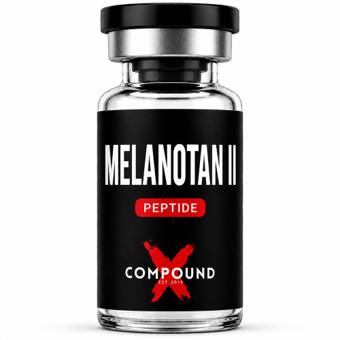
Melanotan II is a synthetic analog of alpha-MSH studied in pigmentation research. Below, we compare vendors currently stocking research-grade Melanotan II — not just a single sales page.
Melanotan II is a synthetic analog of alpha-MSH studied in pigmentation research. Below, we compare vendors currently stocking research-grade Melanotan II — not just a single sales page.
Prices and testing claims are pulled from each vendor's product listing. Always confirm current price and COA (Certificate of Analysis) on the vendor's site before buying.
| Vendor | Price | Purity Testing | Code | |
|---|---|---|---|---|
 SwissChemsBest Value SwissChemsBest Value |
$27.96 – $279.60 | Third-party COA | Buy Here → | |
 Amino Vault Amino Vault |
$52.28 – $165.75 | Third-party COA | Buy Here → | |
 American Peptides American Peptides |
$55.00 | Third-party COA | Buy Here → |
Melanotan II is a synthetic, non-selective melanocortin receptor agonist originally developed in the 1990s at the University of Arizona as a candidate for sunless-tanning and libido research. It has never received FDA approval, though it has been studied and discussed extensively outside regulated clinical channels.
Research-grade Melanotan II is typically supplied as a lyophilized powder in sealed vials, commonly at 10mg strength, intended for laboratory research use only.
Unlike PT-141 (Bremelanotide), which was refined for MC4R selectivity, Melanotan II activates multiple melanocortin receptor subtypes (MC1R, MC3R, MC4R, and MC5R) non-selectively, which researchers have linked both to its pigmentation effects (via MC1R) and its broader, less predictable side-effect profile.
Melanotan II's activation of MC1R on melanocytes is the basis for its most-studied effect — stimulating melanin production — and it has been examined in research on skin pigmentation and photoprotection.
Its activity at MC3R and MC4R has made Melanotan II a subject of research into appetite regulation and sexual arousal, though its lack of receptor selectivity is precisely why later compounds like Bremelanotide were developed to isolate the MC4R effect specifically.
Melanotan II has never been FDA-approved, and case reports in the medical literature have documented adverse effects including nausea, flushing, spontaneous erections, darkening of existing moles, and rare reports of new melanocytic lesions — the latter being a specific concern given its mechanism of action on pigment-producing cells.
No FDA-approved or clinically established human dosage exists for Melanotan II; unregulated products carry additional risk given documented cases of contamination and mislabeling in illicit supply chains reported in toxicology literature.
Compound X does not sell Melanotan II directly. We provide independent research, comparisons and vendor links — see the vendor comparison table above for current US, UK, Canada and Australia options.
Melanotan II safety case reports and pharmacology are indexed on PubMed under "Melanotan II melanocortin adverse effects."
New guides, vendor comparisons and compound breakdowns every week.