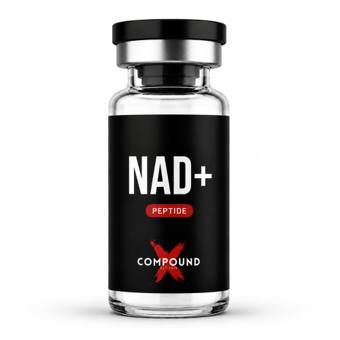
Peptides
NAD+
NAD+ is a coenzyme studied in cellular energy metabolism and aging research. Below, we compare vendors currently stocking research-grade NAD+ — not just a single sales page.
NAD+ is a coenzyme studied in cellular energy metabolism and aging research. Below, we compare vendors currently stocking research-grade NAD+ — not just a single sales page.
Prices and testing claims are pulled from each vendor's product listing. Always confirm current price and COA (Certificate of Analysis) on the vendor's site before buying.
| Vendor | Price | Purity Testing | Code | |
|---|---|---|---|---|
 SwissChemsBest Value SwissChemsBest Value |
$47.95 – $479.50 | Third-party COA | Buy Here → | |
 MuscleChem MuscleChem |
£49.99 | In-house testing | Buy Here → | |
 Amino Club Amino Club |
From $69.99 | Third-party COA | Buy Here → | |
 American Peptides American Peptides |
From $100.00 | Third-party COA | Buy Here → | |
 Purity Peptides Purity Peptides |
$126.49 – $139.99 | Third-party COA | Buy Here → | |
 Amino Vault Amino Vault |
$140.25 | Third-party COA | Buy Here → |
NAD+ (Nicotinamide Adenine Dinucleotide) is a coenzyme present in every living cell, central to cellular energy metabolism and DNA repair. Because NAD+ levels are known to decline with age, it has become a major focus of longevity and metabolic-aging research over the past decade.
Research-grade NAD+ is typically supplied as a lyophilized powder or pre-mixed solution in sealed vials, commonly at 500mg to 1000mg strengths, intended for laboratory research use.
NAD+ functions as an essential cofactor in mitochondrial ATP production and serves as a substrate for sirtuins and PARP enzymes, both of which are implicated in DNA repair and cellular stress responses — pathways central to current aging-biology research.
Because NAD+ is a direct participant in mitochondrial electron-transport chain reactions, it is widely studied in research examining cellular energy production and metabolic function across tissue types.
NAD+ availability is a rate-limiting factor for sirtuin enzyme activity, which has made it a central subject in preclinical research on cellular aging, caloric-restriction mimetics, and mitochondrial health.
NAD+ precursors (such as NMN and NR) have been studied in human clinical trials, but direct NAD+ administration research is comparatively limited. Reported concerns with NAD+ infusions in available reports include injection-site or infusion-related discomfort and flushing; comprehensive long-term human safety data is still developing.
Doses used in research and clinical infusion settings vary substantially by administration route and study design. There is no single standardized research-use dosage for NAD+.
Compound X does not sell NAD+ directly. We provide independent research, comparisons and vendor links — see the vendor comparison table above for current US, UK, Canada and Australia options.
NAD+ research is indexed on PubMed under search terms such as "NAD+ cellular metabolism" and "nicotinamide adenine dinucleotide aging."
New guides, vendor comparisons and compound breakdowns every week.